
Note that the interest income of $2,000 reported in the income statement is not included in the additional disclosures shown above. This is because the interest income was accrued as an adjusting entry regarding the trading investments, so it was not a cash-received item. Smith sounded a cautionary note, warning that the FASB’s efforts could fall short. The answer lies in the increasingly complex landscape of corporate finance. With companies relying more heavily on stock-based compensation and other innovative financing strategies, the traditional boundaries between operating, investing, and financing activities have grown murky. In summary, mastering the cash flow https://vizecommunications.com/?p=7193 statement empowers you to make more informed financial decisions, enhancing your ability to manage your business effectively.

What methods are used to report operating cash flow?

Instead of hoping liquidity holds, they design plans that ensure it does. Leaders can see not only whether a strategy is viable, but when it creates pressure and how large that pressure becomes. It creates a chain of visibility from today’s cash to where cash will be several months from now. This approach shifts forecasting Cash Flow Statement from a periodic exercise into a continuous process.
- Choosing between a simple or classified format depends on the complexity of your business and your analytical needs.
- Examples of non-cash transactions would be an exchange of property, plant, or equipment for common shares, or the conversion of convertible bonds payable to common shares and stock dividends.
- Other inflows such as deposits, refunds, rebates, interest income, or one-time receipts are added based on known or reasonably expected timing.
- This is particularly useful for owners and investors looking to assess profitability.
- Now the addition of Operating, Investing, and Financing activity figures will result in a cash balance of $906,000 (895,000+10000+1000).
Indirect Method
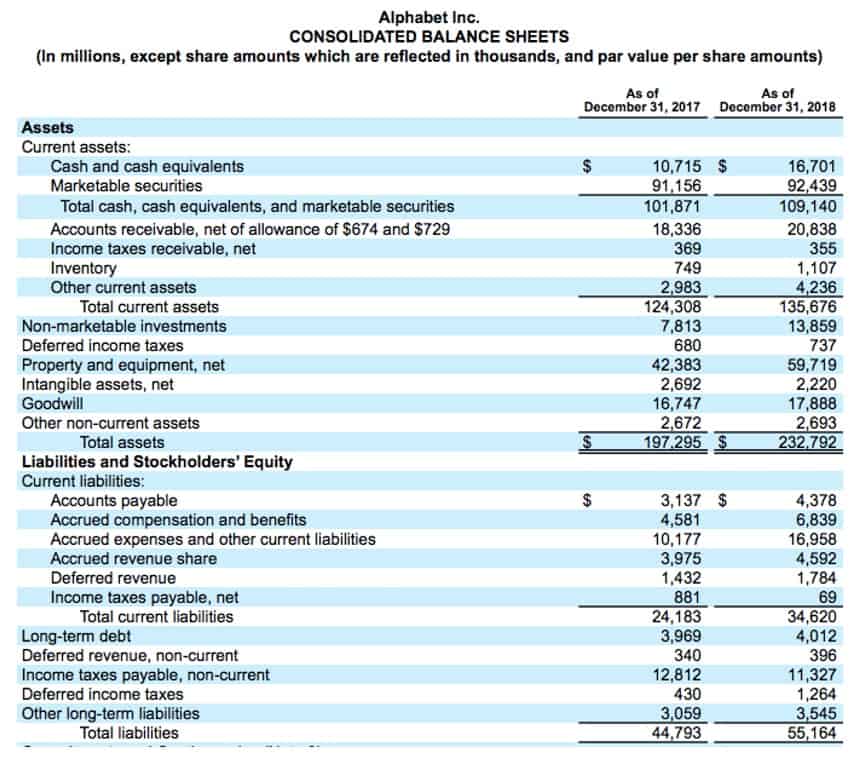
Instead, an analyst may have to rely on examining the past trend of COGS to determine assumptions for forecasting COGS into the future. Depreciation and amortization are non-cash expenses that are created by accountants to spread indirect cash flow statement out the cost of capital assets such as Property, Plant, and Equipment (PP&E). Both IFRS and US GAAP encourage the use of the direct method but will allow either method to be used. Under US GAAP, however, companies must present a reconciliation between net income and cash flow when they use the direct method. The current sections of Flint Inc.’s balance sheets at December 31, 2024 and 2025, are presented here.
- The indirect method highlights a $40,000 inventory build-up that absorbed cash.
- Selecting between direct and indirect methods largely depends on the information available and the user’s preference.
- Auditors play a crucial role in ensuring the accuracy and integrity of the cash flow statement.
- Since the statement of cash flows can be challenging, a review of the basic concepts is presented below.
- The cash flow statement reports the cash generated and spent during a specific period of time (e.g., a month, quarter, or year).
Direct Method

Any non-cash transactions occurring in the investing or financing sections are not reported in a statement of cash flows. Instead, they are disclosed separately in the notes to the financial statements. Examples of non-cash transactions would be an exchange of property, plant, or equipment for common shares, or the conversion of convertible bonds payable to common shares and stock dividends.

- The cash flow statement indirect method allows businesses to translate accrual-based results into a clear view of actual cash movements.
- While net income reflects accounting profit after all revenues and expenses, CFO focuses on actual cash generated from operations.
- Moreover, fluctuations in cash flow can indicate cyclical trends or seasonal impacts on your business.
- Thus, in terms of information, the income statement is a predecessor to the other two core statements.
- CFO reflects the actual cash generated from a company’s day-to-day operations, revealing whether your core activities are profitable enough to cover expenses and drive future investments.
The indirect method links the accrual-based net income figure to the actual cash flow so accountants or analysts can reconcile financial statements. Income statements are prepared using accrual accounting, which includes non-cash items and accounting-related timing differences. Therefore, net income does not reflect actual cash generated by the business. Under the indirect method, you can adjust net income for those non-cash expenses and timing differences to determine actual cash flow for the period. The indirect method improves financial analysis by showing how accrual-based net income translates into actual cash flow from operations.
- The direct method lists actual cash inflows and outflows, while the indirect method adjusts net income for non-cash items and changes in working capital.
- When combined with a weekly rolling cadence, the right approach turns forecasting from a backward-looking exercise into a forward-looking management tool.
- Analyzing cash flow statements can provide valuable insights into a company’s financial health.
- The direct method on the other hand is simpler as there are only two components to deal with; the operating activities and financing activities.
- Instead of hoping liquidity holds, they design plans that ensure it does.
- Month-end close is a stressful exercise for many companies, but it doesn’t have to be that way.